Rock Bottom · A Series on Laboratory-Grown Diamonds — Part 1 of 4
By Nick Coutu
Rock Bottom — Part 1: The Fall
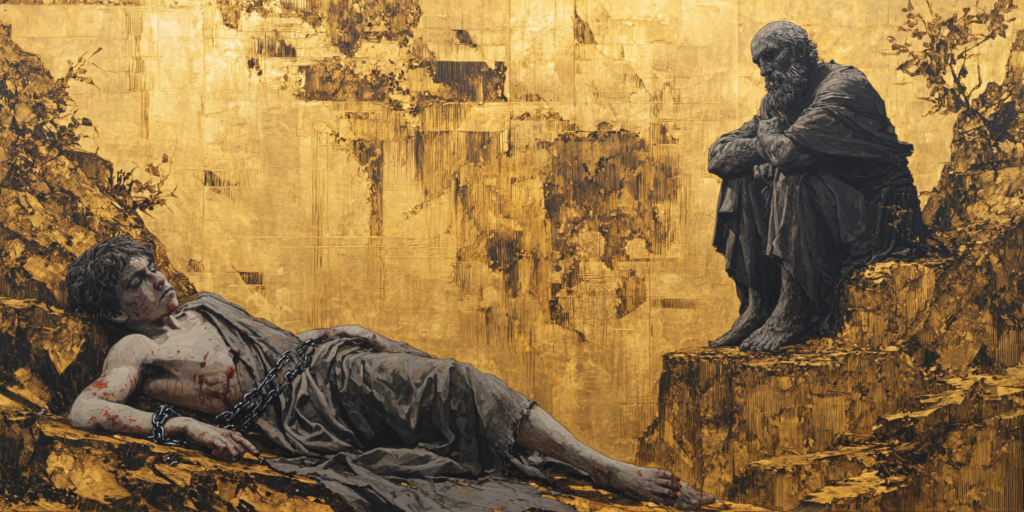
Laboratory-grown diamonds have fallen a long way.
Not in quality.
Not in beauty.
Not in durability.
Not in performance.
In price.
The price declines have been substantial.
And the debate about value has continued.
The argument is familiar.
"They may not hold their purchase price."
"They aren't rare."
"They're not an investment."
Some natural diamond advocates, traders and commentators have spent years arguing against laboratory-grown diamonds.
But I believe the conversation needs to go further.
Resale value is a fair question.
It is not the only question worth asking when a couple chooses an engagement ring.
Laboratory-grown diamonds made a beautiful centre stone accessible to more people.
For someone buying an engagement ring, that can bring an unusual feeling:
The feeling that something was getting better instead of more expensive.
When housing, education and everyday expenses compete for the same budget, a more accessible diamond can feel like welcome room to breathe.
The change is possible because of the material itself.
Technology made it possible to grow a diamond with essentially the same chemical composition as a natural one.
Not similar.
Not diamond-like.
Not an imitation.
A diamond.
The same carbon crystal structure.
The same hardness.
The potential for the same brilliance, with comparable cut quality.
Comparable durability.
Neither origin makes a diamond indestructible.
Usually at a much lower price than a comparable natural diamond.
For couples who value that flexibility, the appeal is easy to understand.
The debate also became a conversation about values.
That does not mean natural diamonds are obsolete.
Far from it.
Natural diamonds possess something laboratory-grown diamonds never will: geological rarity.
A natural diamond is a miracle of time.
A laboratory-grown diamond is a miracle of human ingenuity.
Both are remarkable.
The conversation becomes less useful when either choice is dismissed as worthless.
Much of the criticism has focused on resale value.
And to be fair, the critics are not entirely wrong.
Laboratory-grown diamonds have experienced dramatic price declines.
Consumers should not purchase them expecting investment-like returns.
We approach engagement rings as relationship objects, not investment plans.
Since 1990, our family has helped couples design engagement rings.
The conversations I value most go beyond resale.
They come back to questions such as these:
Will she love it?
Will it feel like her?
Will it remind her of us?
Will it tell our story?
For us, a ring's emotional value is the reason to make it well.
And perhaps that helps explain the appeal of laboratory-grown diamonds for some couples.
A meaningful ring does not have to be inaccessible.
The future of engagement rings may not belong exclusively to natural diamonds.
It may not belong exclusively to laboratory-grown diamonds either.
I believe the future belongs to meaning.
To stories.
To craftsmanship.
To symbolism.
To rings that say something about the people wearing them.
Fifty years from now, I hope the most interesting question about your ring is who gave it to you.
I hope the story is what you treasure most.
If you are weighing a natural or laboratory-grown diamond for your own ring, explore our engagement ring settings and discuss the stone options with the atelier.