By Nick Coutu
How to Clean Your Jewellery Safely
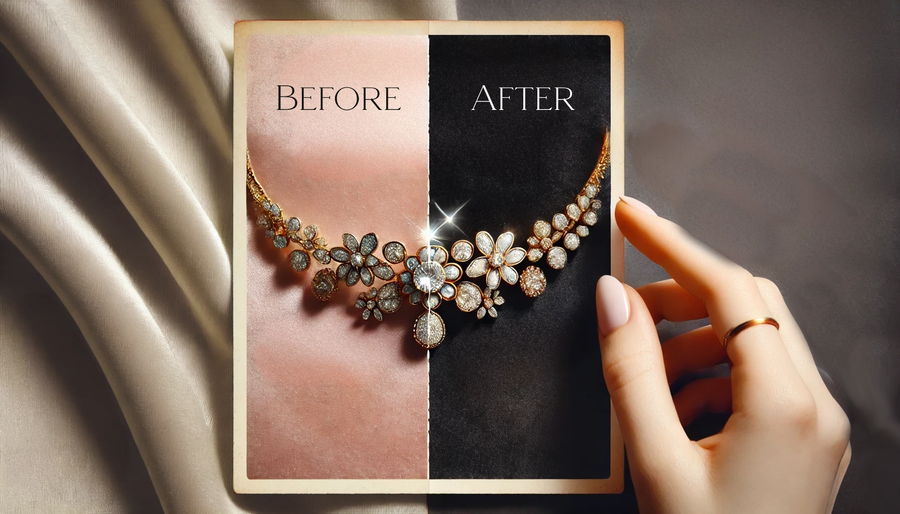
Daily wear leaves oils, soap and dust on jewellery. A diamond can look dull long before anything is wrong with the stone. Gentle cleaning removes that surface film; it cannot repair worn claws or remove every scratch from the metal.
Why Jewellery Looks Dull
Lotions, fingerprints and everyday residue collect on metal and around settings. On a diamond, a greasy film interferes with the light reaching its facets. Small scratches can also change the appearance of gold. Cleaning and polishing address different problems.
Everyday Care
- Remove jewellery before gardening, household cleaning, swimming or exercise that could expose it to knocks or chemicals.
- Wipe it gently with a soft, lint-free cloth after wear.
- Store pieces separately so that stones and metal do not rub against one another.
Check the Piece Before Cleaning
The method below suits solid-gold or platinum jewellery with untreated diamonds and secure settings. Pearls, opals, emeralds, treated stones, glued components and antique jewellery may need a different approach. If you do not know the materials or treatments, ask your jeweller before soaking the piece.
Have loose stones or damaged settings inspected before cleaning. The setting matters as much as the stone: a durable diamond can still be held by a fragile claw.
A Gentle Home Cleaning Routine
- Add a few drops of mild dish soap to a small bowl of lukewarm water. Let a suitable piece soak briefly to soften the residue.
- Use a clean, very soft toothbrush reserved for jewellery. Brush lightly behind the diamond and around the setting. Avoid forcing a brush or a sharp tool beneath the claws.
- Rinse in a separate bowl of clean water. This avoids losing a loose stone down the drain.
- Pat dry with a soft, lint-free cloth.
Do not shake jewellery in a container. Avoid bleach, toothpaste and abrasive household cleaners. Ammonia-based glass cleaner may be suitable for some diamond pieces, but it is too harsh for certain delicate gems and vintage jewellery. Mild soap is a better general starting point once the piece's materials and condition are known.
What Professional Cleaning Can Do
A jeweller can inspect the setting and choose a method that suits the whole piece.
- Polishing can reduce some surface scratches in metal, but it removes a small amount of material. It should be done when needed, rather than treated as routine washing.
- Ultrasonic cleaning loosens dirt through vibration. It is unsuitable for some gems and treatments, and can loosen stones in compromised settings.
- Steam can remove residue from suitable pieces. Heat and pressure make it inappropriate for others; steam cleaning does not polish away scratches.
For a ring worn every day, a professional inspection around every six months is a useful starting point. Your jeweller may recommend a different interval for its construction and condition. Clean gently between visits, and have a piece checked sooner if a stone moves or a claw catches on clothing.
The aim is simple: keep the piece clean while protecting the materials and workmanship that make it worth wearing.
If you are unsure about a stone, a loose setting or the right cleaning method, ask the atelier before cleaning the piece.