By Nick Coutu
Lab-Grown Diamonds vs. Natural Diamonds
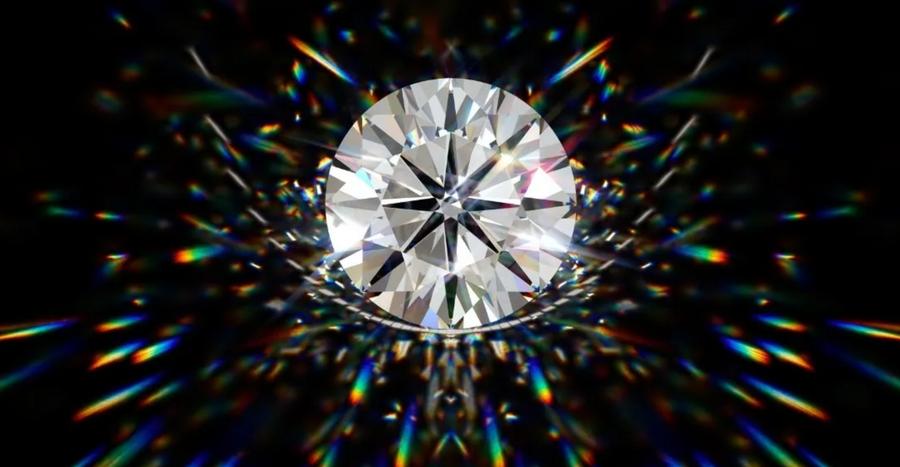
Natural and laboratory-grown diamonds give you different ways to choose a centre stone. Their origins and prices differ; either can be part of a well-made ring. The useful questions concern the particular diamond, the evidence behind its description and what matters to you.
What Is a Lab-Grown Diamond?
A lab-grown diamond is diamond, with essentially the same chemical, physical and optical properties as a natural diamond. It is different from a simulant such as cubic zirconia, which only resembles diamond.
Two main methods are used. High-pressure, high-temperature (HPHT) growth uses conditions resembling those under which natural diamonds form. Chemical vapour deposition (CVD) grows diamond from carbon-bearing gas onto a diamond seed. These processes leave characteristics that specialist laboratories can use to identify origin.
What Is a Natural Diamond?
Natural diamonds form deep in the Earth's mantle. Most gem diamonds originate around 150–200 kilometres below the surface, and many are billions of years old. That age includes time spent in the mantle; it does not mean every diamond grew continuously for billions of years. Volcanic rocks such as kimberlite carried them towards the surface.
For some people, that geological history is an important part of the appeal. For others, the appearance and the possibilities within their budget matter more. Both are reasonable preferences.
Price and Value
Lab-grown diamonds generally cost less than comparable natural diamonds. The difference varies with the stone, seller and market, so a fixed percentage is a poor guide to a current purchase.
Compare actual quotations for similar shapes, dimensions and quality. Then consider the complete ring: the centre stone, metal, setting and design work. A larger diamond can be an option within the same budget, but it should still suit the proportions and the person who will wear it.
A purchase price is not a promise of resale value. If resale matters to you, ask how the particular stone would be valued and whether any written buyback terms apply. Do not infer a guaranteed return from a diamond's natural or laboratory-grown origin.
Environmental and Sourcing Claims
Mining affects land and uses water and energy. Growing diamonds also requires energy and other resources. The footprint depends on the operation, its energy sources and the stages included in the comparison. The word “lab-grown” alone cannot establish that a stone is carbon-neutral or more sustainable.
Ask for specific evidence behind environmental claims and for information about the supplier and production location. Natural and lab-grown stones both deserve questions about working conditions and traceability. Origin alone does not answer every sourcing question.
What They Share
- Both have the crystal structure of diamond, based on carbon. Trace elements and crystal characteristics can differ.
- Both rate 10 on the Mohs hardness scale. That describes resistance to scratching; either can chip or break under an impact.
- Both can display brightness, fire and scintillation. The individual diamond's cut and quality affect what you see.
Either type can be worn for many years with a suitable setting and proper care. Neither is indestructible.
Check the Report and the Stone
An independent laboratory report should identify the diamond's origin. Check the issuing laboratory, the report number and what its assessment covers. GIA introduced Premium and Standard quality assessments for eligible D–Z lab-grown diamonds in October 2025; other laboratories and older reports may use different terms.
Choose the diamond you like looking at, within a budget you are comfortable with. Its origin should be clearly disclosed, and the reasons for choosing it should be yours.
If you are deciding between the two for your own ring, contact the atelier to discuss your priorities and compare suitable stones.